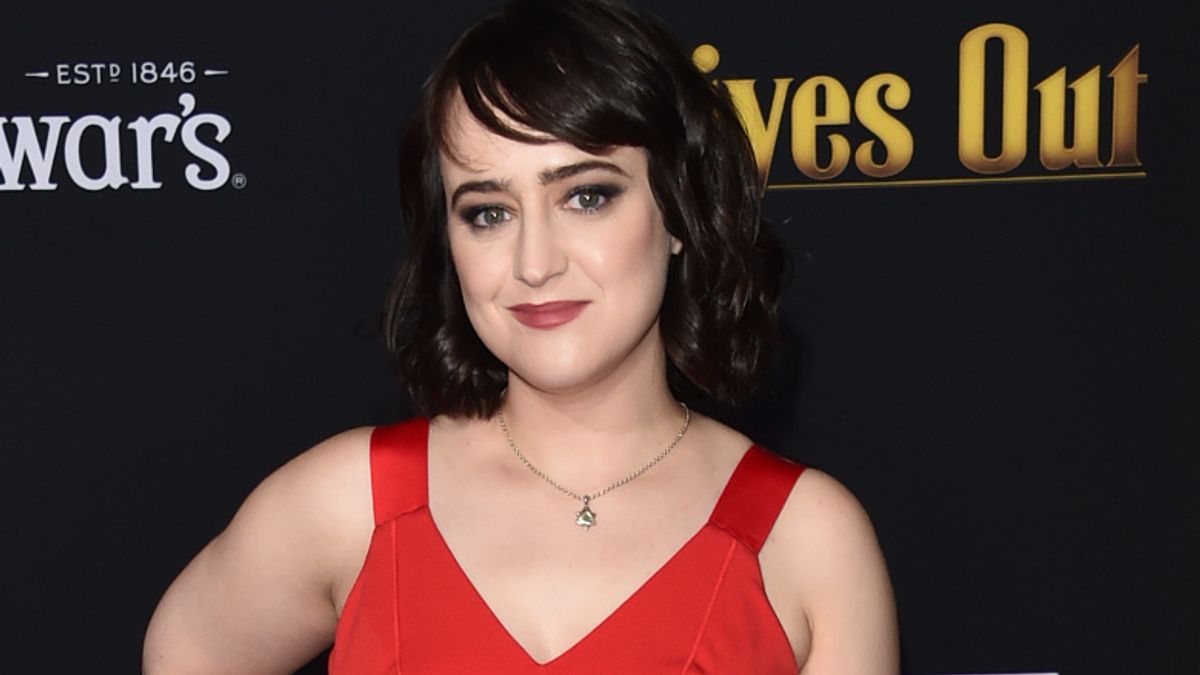
Mara Wilson Unveils the Dark Underbelly of Child Stardom: A Legacy of Media Sexualization
For many, the name Mara Wilson evokes cherished memories of beloved childhood films. From the endearing Natalie Hillard in Mrs. Doubtfire to the spirited Susan Walker in Miracle on 34th Street, and most notably, the brilliant and resilient titular character in Matilda, Wilson captured hearts with her undeniable talent and charming screen presence. Yet, beneath the veneer of Hollywood glamour and critical acclaim, Wilson harbored a secret trauma, a silent battle with a pervasive issue far more sinister than any on-screen villain: the relentless sexualization she experienced at the hands of the media and the public.
In a powerful and deeply personal essay, Wilson, now an accomplished writer, courageously lifted the lid on the "terrifying" mistreatment she endured as a young actress. Her revelations draw a poignant parallel to the widely publicized struggles of pop icon Britney Spears, shedding crucial light on a disturbing cultural pattern that builds young female stars up, only to relentlessly scrutinize and, often, destroy them. Wilson's story isn't just a personal anecdote; it's a critical examination of how society, through its media, exploits and objectifies its youngest, most vulnerable stars.
The Unseen Scars: Media, Public Scrutiny, and Childhood Lost
While many discussions about harassment in Hollywood rightly focus on on-set abuses, Wilson's experience reveals a different, equally damaging landscape. She explicitly states that her sexual harassment "always came at the hands of the media and the public." This distinction is vital, highlighting how insidious and far-reaching the problem truly is, extending beyond direct professional interactions into the very fabric of public discourse and consumption.
Wilson’s ordeal began remarkably early. As young as six years old, she was barraged with inappropriate questions from reporters asking, "Do you have a boyfriend?" These seemingly innocuous queries were just the tip of an iceberg that would grow increasingly disturbing. Journalists pressed her on her opinions about "the sexiest actor" and even probed her thoughts on Hugh Grant's arrest for soliciting a prostitute – questions no child should ever be asked, let alone by adults representing respected media outlets.
The true horror, however, manifested in the digital realm. Before she even turned 12, Wilson discovered images of herself on foot fetish websites, and shockingly, photoshopped into child pornography. The profound shame and violation she felt with each discovery are harrowing to imagine for a developing child. This experience underscores a terrifying reality: even when parents diligently attempt to protect their children, as Wilson’s did by ensuring she only appeared in family-friendly films and "never appeared in anything more revealing than a knee-length sundress," the digital wild west and a hungry public can bypass these safeguards with devastating ease.
It was a stark realization for Wilson that her carefully curated public image, designed for innocence and family appeal, was utterly powerless against the predatory gaze of segments of the public and media. The digital age, even in its nascent stages when Wilson was a child, proved to be a fertile ground for the objectification and exploitation of minors, leaving deep and lasting emotional scars.
The Britney Spears Parallel: A Cultural Blueprint for Destruction
Wilson’s essay poignantly connects her personal history to the highly publicized struggles of Britney Spears, particularly in the wake of documentaries like Framing Britney Spears. She vividly recalls the public narrative surrounding Spears in the "Oops!... I Did It Again" era, describing how it "was terrifying to me then, and it still is now." Wilson admits to internalizing a societal judgment of Spears as a "bad girl" for posing in a bra top, confessing to a "strong streak of 'not like the other girls'" in herself that now feels shameful.
This dynamic reveals a cruel paradox: whether young female stars like Spears embraced their developing sexuality as a "rite of passage," appearing in provocative music videos or on lad mag covers, or whether they, like Wilson, sought to maintain an image of innocence, both paths led to intense public scrutiny and objectification. For Wilson, the decision to avoid overt sexuality was a direct response to having already been sexualized against her will, an experience she "hated."
The core of Wilson’s analysis regarding Spears—and indeed, countless other young female celebrities—is a devastating observation: "Our culture builds these girls up just to destroy them." This pattern involves elevating them to iconic status, placing immense pressure on their public personas, and then, often for perceived missteps, tearing them down with a voracity that disregards their humanity and mental well-being. The public and media often perpetuate a narrative that "famous kids deserve" the hardships they face, such as addictions or breakdowns, falsely claiming they "asked for this by becoming famous and entitled." Wilson vehemently refutes this, emphasizing that such tragedies "often has far less to do with the child than with the people around them." Mara Wilson: My Britney Spears Parallel & Public Sexualization delves deeper into this painful comparison.
Protecting the Next Generation: Lessons from Mara Wilson's Story
Mara Wilson's candid disclosures are more than just a recounting of past traumas; they serve as a powerful call to action and a stark reminder of the responsibilities we all share—as media consumers, professionals, and parents—to safeguard the next generation of child stars. Understanding the profound impact of media scrutiny and sexualization on young, developing minds is the first step toward creating a safer, more ethical environment.
Ethical Responsibilities for Media Professionals:
- Reconsider Interview Protocols: Implement strict guidelines for interviewing minors, focusing solely on their professional work relevant to their age and avoiding personal questions about relationships, appearance, or adult-themed topics.
- Combat Sensationalism: Resist the urge to create provocative narratives around child stars. Prioritize respectful reporting over clickbait.
- Protect Digital Footprints: Actively remove or challenge user-generated content that exploits or sexualizes minors on platforms under their control.
Guidance for Parents of Aspiring Child Stars:
- Prioritize Mental Health: Ensure your child has access to psychological support independent of the industry. Regularly check in on their emotional well-being.
- Set Firm Boundaries: Work with agents and publicists to establish clear boundaries regarding interview topics, public appearances, and social media presence.
- Educate and Empower: Talk to your child about potential media scrutiny and online dangers. Empower them to say no to uncomfortable situations and report inappropriate interactions.
Actionable Advice for the Public and Consumers:
- Critical Media Literacy: Question the narratives presented by media outlets, especially those concerning young celebrities. Seek out diverse perspectives and consider the human impact of consumption.
- Combat Online Exploitation: Report any instances of child sexualization or inappropriate content online. Do not share or engage with such material.
- Foster Empathy: Remember that celebrities, particularly child stars, are human beings. Their struggles are real, and they deserve privacy and respect, not constant public dissection and judgment. Mara Wilson on the Terrifying Truth of Child Stardom provides further insights into these challenges.
The cultural awakening spurred by figures like Mara Wilson and Britney Spears offers a glimmer of hope. There's a growing collective awareness and a willingness to apologize for past injustices, but the scars, as Wilson notes, remain. The conversation must continue, evolving into concrete actions that dismantle the harmful mechanisms that perpetuate child star sexualization and exploitation.
Conclusion: A Call for Empathy and Systemic Change
Mara Wilson's courageous revelation of her experience with media sexualization as a child star serves as a powerful testament to the enduring vulnerabilities of young people in the public eye. Her story, echoing the tragic narratives of many, including Britney Spears, exposes a systemic failure within our culture to protect its most impressionable talents. It’s a stark reminder that the glamour of Hollywood often conceals a much darker reality, one where childhood innocence can be stripped away by invasive questions, predatory online content, and judgmental public narratives. By sharing her truth, Wilson has not only found her own voice but has also become a vital advocate for change, urging us all to look beyond the celebrity facade and recognize the profound human cost of unchecked media scrutiny and sexualization. It is imperative that we learn from these painful lessons, fostering a culture of empathy, respect, and stringent ethical standards to ensure that no child star ever has to endure the "terrifying" mistreatment that Mara Wilson so bravely detailed.